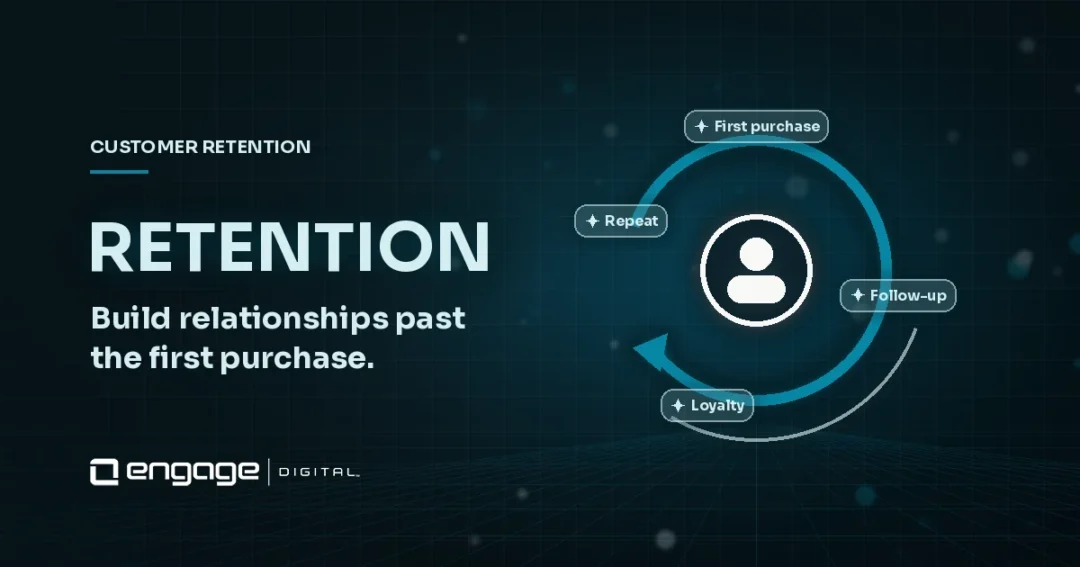
You build lasting customer relationships after the first purchase with great service, personal communication, a loyalty program, feedback you act on and consistent quality. Keeping a customer costs less than finding a new one.
Securing a customer’s first purchase is a significant achievement. However, the real challenge lies in keeping them engaged afterward. Retaining existing customers matters, as acquiring a new customer costs five times more than retaining an existing one. Loyal customers are also five times more likely to make repeat purchases. That is why post-purchase engagement strategies matter.
Beyond financial savings, customer retention contributes to stronger brand loyalty, word-of-mouth marketing, and higher lifetime value per customer. Returning customers tend to spend more than new ones, which makes them valuable for long-term growth. When customers feel valued and engaged, they are more likely to advocate for your brand, provide valuable feedback, and contribute to overall business success.
To keep customers engaged beyond their first purchase, businesses must implement strategic retention tactics that build lasting relationships. Personal communication, loyalty programs, proactive service and a consistent experience across channels all pay off: companies that focus on engagement get happier customers and more long-term revenue. Investing in a customer-focused approach ensures repeat business and a sustainable competitive edge in an increasingly crowded marketplace.
Customer retention is keeping existing customers buying from you after their first purchase.
1. Deliver Exceptional Customer Service
Outstanding customer service is foundational to customer retention. A positive experience makes a customer more likely to return. Notably, 86% of customers are more likely to stay loyal if they feel an emotional connection with a customer service agent. Businesses should invest in thorough training for support teams to encourage personalized interactions and resolve issues efficiently, ensuring customers feel valued and understood. Offering multiple service channels, such as live chat, phone, and social media support, can enhance accessibility and satisfaction.
2. Implement Personalized Communication
Personalized communication demonstrates that you value your customers. By tailoring messages based on purchase history and preferences, you create a more engaging experience. Many customers choose or recommend brands that personalize the experience. Sending targeted emails, personalized recommendations, and exclusive discounts based on previous interactions lifts engagement and strengthens customer relationships. Using AI-driven tools to analyze customer data can help create highly relevant offers that boost retention and lifetime value.
3. Build a Strong Loyalty Program
Loyalty programs incentivize repeat purchases by offering rewards. In 2024, the usage of loyalty programs grew by 28%, highlighting their effectiveness. Offering exclusive discounts, VIP perks, or early access to new products encourages long-term brand commitment and repeat purchases. Tiered rewards let customers earn more benefits the more they buy, which makes them feel recognized.
4. Use Omnichannel Engagement
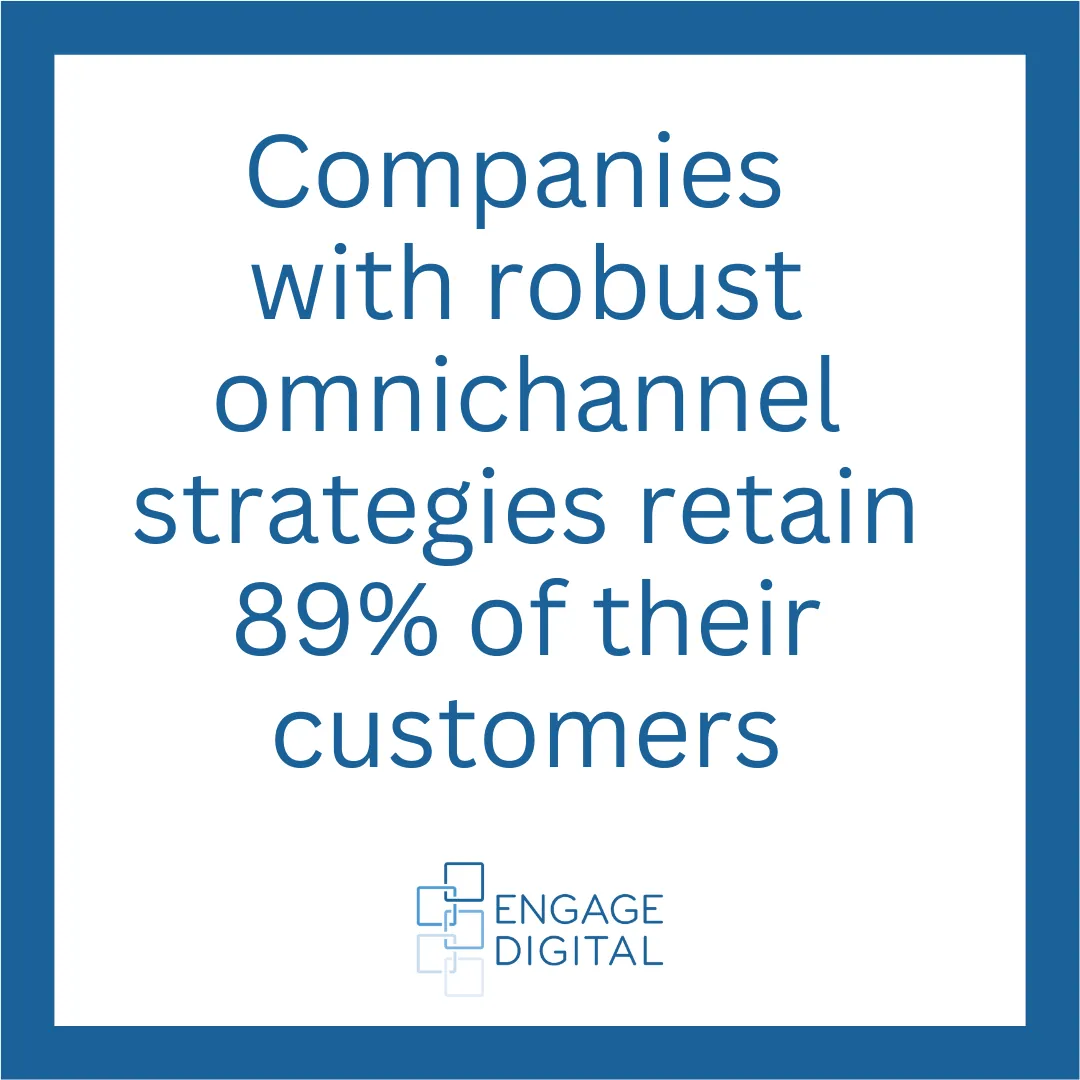 Reaching customers on several channels only works if the experience is consistent on all of them. Companies with strong omnichannel strategies retain 89% of their customers, compared to 33% for those with weak strategies. Brands should integrate email, social media, live chat, and in-store experiences to offer consistent and personalized interactions, meeting customers where they are. Implementing customer journey mapping can further improve engagement by providing insights into how users interact across different touchpoints.
5. Seek and Act on Customer Feedback
Requesting feedback shows customers that their opinions matter. Implementing their suggestions demonstrates a commitment to continuous improvement. Customers appreciate when brands act based on their insights, increasing trust and loyalty. Businesses should actively encourage feedback through surveys, reviews, and social media polls, ensuring customers feel heard. Transparency about how feedback is used can strengthen brand reputation and long-term engagement.
6. Provide Valuable Content
Offering content that educates or entertains keeps customers engaged. This could include how-to guides, industry news, or exclusive insights. Businesses can create blog posts, videos, and tutorials that offer solutions to common customer problems, reinforcing their expertise and value. Hosting live Q&A sessions or interactive webinars can also deepen engagement by allowing customers to interact directly with experts and brand representatives.
7. Ensure Consistent Quality
Delivering consistent quality in your products or services builds trust. Customers are more likely to return when they know they can expect reliability. Reviewing quality control measures and addressing customer concerns quickly strengthens brand reputation and loyalty. Implementing automated quality checks and providing warranties or satisfaction guarantees reassures customers and reduces hesitation in making repeat purchases.
8. Offer Exclusive Access
Providing exclusive access to new products or events makes customers feel special. Offering limited-time previews, VIP-only sales, or first access to product launches builds anticipation and a sense of belonging. Brands can also create members-only communities or exclusive digital experiences where loyal customers can engage with one another and share insights.
9. Implement Proactive Customer Service
Anticipating customer needs and addressing issues before they arise raises satisfaction. Gartner predicts that in 2025, 40% of customer service organizations will adopt proactive strategies. Using AI chatbots and proactive follow-ups ensures concerns are addressed before they become problems. Proactively offering solutions, such as product tutorials or maintenance tips, can prevent frustration and improve overall satisfaction.
10. Use Social Media Engagement
Interacting with customers on social media platforms builds a community around your brand. Responding to comments, sharing user-generated content, and engaging in conversations makes your brand more relatable, encouraging long-term customer connections. Hosting social media contests or giveaways incentivizes engagement while strengthening emotional connections between customers and your brand.
11. Provide Post-Purchase Support
Offering setup assistance, detailed troubleshooting guides, and a dedicated support channel ensures customers get the most out of their purchase. This reduces frustration and increases customer satisfaction. Video tutorials and step-by-step guides can improve the user experience, making it easier for customers to maximize the value of their purchase.
12. Celebrate Customer Milestones
Sending personalized discounts, thank-you messages, or loyalty rewards for anniversaries or birthdays strengthens emotional connections. Recognizing milestones makes customers feel valued and reinforces their relationship with your brand, increasing retention rates.
13. Create a Referral Program
Encouraging referrals with incentives like discounts, freebies, or points-based rewards motivates customers to promote your brand. Referral programs expand your customer base and reward loyal customers for advocating for your business, leading to organic growth.
14. Ensure Transparency
Being open about policies, pricing, and company updates builds trust. Customers value honesty and are likelier to stay loyal when they know what to expect. Clear and upfront communication about changes in pricing, product availability, or policies can prevent misunderstandings and keep customers satisfied.
15. Adapt to Customer Preferences
Regularly updating your offerings based on consumer trends and direct feedback ensures you meet evolving customer expectations. Monitoring customer behavior and preferences helps businesses refine their approach and deliver experiences that engage customers.
16. Invest in Employee Training
Well-trained employees enhance customer experiences, making interactions smoother and more effective. Knowledgeable staff can provide better assistance, answer customer queries more efficiently, and create a welcoming environment that strengthens customer retention.
17. Use Data Analytics
Analyzing purchasing trends and customer interactions allows businesses to create targeted campaigns that resonate with their audience. Data-driven insights enable businesses to personalize their marketing efforts, increase engagement, and improve retention rates.
18. Maintain Consistent Branding
Ensuring a cohesive message and visual identity across all customer touchpoints strengthens recognition and trust. Customers appreciate consistency in branding, messaging, and service, reinforcing their connection with your brand.
19. Offer Flexible Return Policies
Providing easy, hassle-free returns reassures customers and reduces purchase hesitations. A flexible policy raises satisfaction, removes purchase anxiety, and increases the likelihood of repeat business.
20. Stay Ahead of Industry Trends
Keeping up with emerging trends and technological advancements ensures your brand remains competitive. Being adaptable allows businesses to evolve with the market, keeping customers engaged and building long-term loyalty.
Frequently Asked Questions
Why Does Customer Retention Matter?
Keeping a customer costs less than winning a new one, and loyal customers buy again and refer others.
What Are the Best Ways to Keep Customers After the First Purchase?
Offer great service, personal communication and a loyalty program, act on feedback and keep quality consistent.
Do Loyalty Programs Work?
Yes. Rewards, especially tiered ones, give customers a reason to keep buying.
Sustaining Long-Term Customer Engagement
Keeping customers engaged beyond the first purchase requires a commitment to personalized experiences, exceptional service, and strategic communication. A well-designed retention strategy encourages repeat business and strengthens customer relationships, leading to increased brand loyalty. Businesses can build lasting connections that drive sustainable growth by implementing proactive support, rewarding engagement, and continually adapting to customer preferences. Companies prioritizing customer satisfaction will see greater lifetime value from their audience and a competitive advantage in their industry.
A strong customer retention strategy goes beyond transactions. It builds trust and community and turns one-time buyers into long-term advocates. Brands that actively listen to their customers provide consistent value and stay ahead of industry trends will create meaningful relationships that lead to higher engagement and long-term success. By consistently delivering high-quality experiences and ensuring every interaction adds value, businesses can secure customer loyalty and position themselves as leaders in their market.
Engage is an AI-powered marketing department, powered by the Engage AI marketing platform. It's coming early 2027.
Join the waitlist for progress updates as we build and the launch date as soon as we set it.