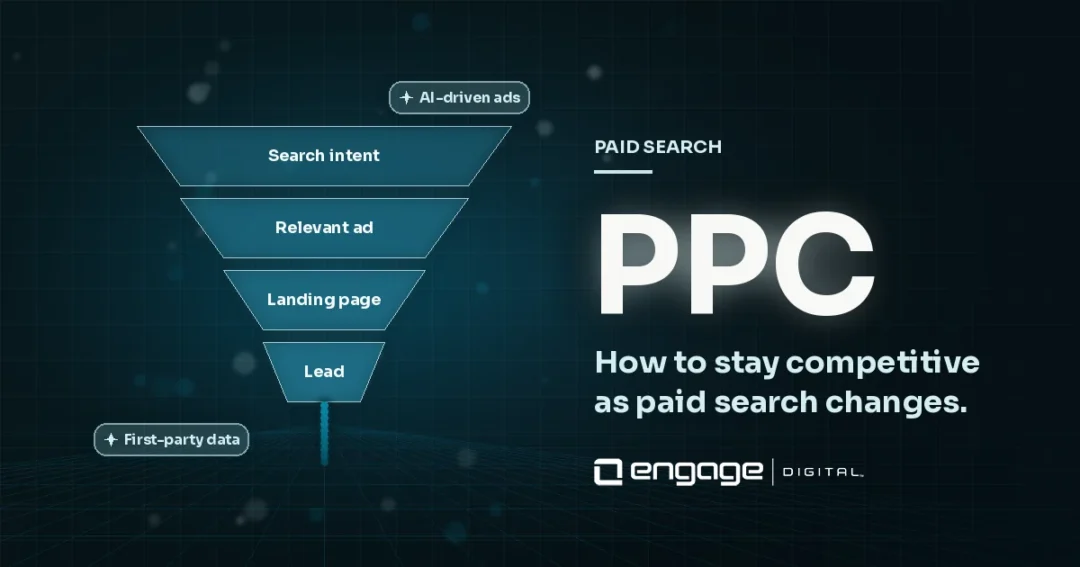
PPC is getting more expensive and more automated, so staying competitive means using AI-driven bidding, planning for mobile, spreading budget across platforms and, for most businesses, increasing PPC budgets.
In 2025, Pay-Per-Click (PPC) advertising is undergoing significant transformations, presenting marketers with both challenges and opportunities. Digital advertising is more competitive than ever: costs are rising, buyers are changing, and new technology is changing how businesses reach people. Advertisers must stay agile and proactive, adapting to platform updates, automation advancements, and evolving search engine algorithms to maintain a strong online presence.
To stay competitive, you need to understand emerging trends and consider strategically increasing PPC budgets. A higher budget helps businesses secure premium ad placements, allowing for more extensive A/B testing, audience segmentation, and bid adjustments. With greater investment, advertisers can capitalize on AI-driven bidding strategies, target high-intent customers more effectively, and drive stronger conversion rates. Those prioritizing PPC growth will have the upper hand in an increasingly saturated digital marketplace.
Pay-per-click (PPC) advertising is online advertising where you pay each time someone clicks your ad.
1. The Surge in Global Search Ad Spending
Global spending on search advertising keeps growing.
This substantial investment reflects the growing reliance on PPC campaigns to drive traffic and sales. As competition intensifies across industries, businesses that strategically allocate more resources to PPC are positioning themselves to capture a larger share of this expanding market. Higher budgets allow for greater reach, more refined audience targeting, and increased visibility in crowded digital spaces. Companies that fail to scale their PPC investment risk losing valuable online real estate to competitors willing to outbid them for prime ad placements.
2. The Rise of AI-Driven Advertising
Artificial Intelligence (AI) is changing PPC strategies. AI-powered tools enable real-time data analysis, optimizing ad placements, targeting, and budget allocation with precision. By 2025, AI is expected to become deeply integrated into advertising, following the path of past technology breakthroughs. As AI continues to evolve, automation will play an even greater role in refining keyword selection, bid adjustments, and audience segmentation, ensuring more dynamic and responsive ad campaigns.
Marketers investing in AI-driven PPC can achieve more efficient and effective campaigns. These advancements allow advertisers to scale efforts, minimize wasted ad spend, and continuously improve performance through predictive analytics. Businesses that embrace AI-driven PPC strategies will gain a competitive edge by using data-driven insights to refine their messaging and maximize conversions.
3. Mobile Dominance in PPC 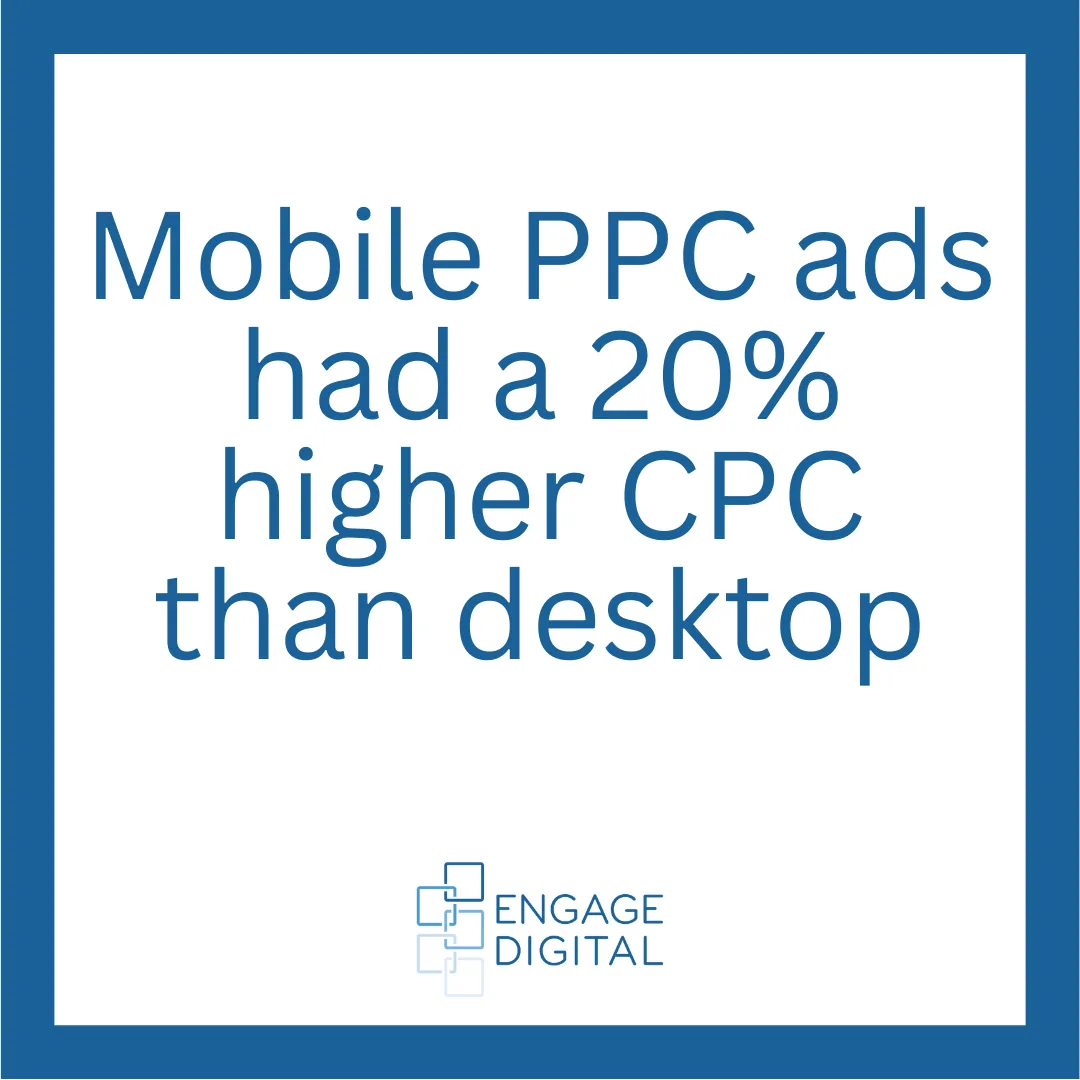
Mobile devices account for a significant portion of PPC clicks. Mobile PPC ads had a 20% higher CPC than desktop ads last year, reflecting the growing demand for mobile-friendly experiences. As mobile usage continues to rise, businesses must prioritize optimizing ad creatives, landing pages, and user experiences for smaller screens.
Optimizing PPC campaigns for mobile platforms matters more as consumers increasingly use smartphones for searches and purchases. Allocating budget to mobile-specific ads can enhance user engagement and conversion rates. Advertisers should also use mobile-specific bid adjustments, location-based targeting, and responsive ad formats to capture high-intent mobile users better and maximize ad performance.
4. Social Media Platforms Expanding PPC Opportunities
Platforms like TikTok are entering the PPC arena, allowing brands to target ads based on user searches. Other social media giants, including Instagram, Facebook, LinkedIn, and Snapchat, continue to refine their paid advertising options, offering brands advanced targeting capabilities and creative ad formats. YouTube also remains a dominant player, using video-driven PPC to engage audiences more effectively.
This expansion offers marketers new avenues to reach younger demographics and niche audiences based on interests and behaviors. Investing in PPC across diverse social media platforms can broaden audience reach, drive brand awareness, and create highly personalized ad experiences that resonate with specific consumer segments. A multi-platform strategy keeps your brand visible as competition grows.
5. Increasing Cost-Per-Click (CPC) Trends
Costs per click have been rising.
As competition intensifies, CPC rates are expected to rise across various industries, particularly in high-demand sectors like finance, e-commerce, and healthcare. Marketers should consider increasing their PPC budgets to maintain ad visibility and effectiveness. A larger investment allows for greater bidding power, ensuring premium ad placements, improved targeting, and sustained engagement. This investment keeps you competitive in crowded marketplaces, sustains traffic flow, and creates more conversion opportunities by reaching high-intent consumers before competitors do.
6. Integration of AI Overviews in Search Advertising
Google’s AI Overviews, which give conversational summaries for search queries, are changing how people see search results and the ads around them.
This innovation enhances user experience and engagement by delivering more relevant and intuitive search results. AI Overviews make information easier to find, reducing friction in the search process and making ads more contextually relevant. Marketers incorporating AI-driven features into their PPC strategies can expect improved performance, higher return on investment, and greater audience trust. AI-powered automation and predictive analytics allow brands to refine targeting, optimize ad placements, and maximize conversions more efficiently.
7. The Shift Towards First-Party Data
With increasing privacy regulations, there’s a shift towards using first-party data in PPC campaigns. As third-party cookies phase out, marketers must rely on owned data sources like website interactions, customer emails, and CRM insights to build highly targeted ad campaigns. This shift ensures compliance with evolving data protection laws while maintaining the effectiveness of digital advertising.
This approach enhances targeting accuracy and ad relevance, leading to improved engagement and conversion rates. Tools that collect and analyze first-party data, such as customer segmentation software, AI-driven analytics and predictive modeling, make PPC more personal and more effective. Marketers who embrace first-party data strategies will gain a competitive edge by delivering more relevant messaging to high-intent audiences while maintaining consumer trust.
8. The Expansion of Programmatic Advertising
Programmatic display ad spending in the US keeps growing.
The increasing popularity of video formats on free ad-supported streaming TV channels and ad-supported video-on-demand tiers drives this growth. Additionally, AI-driven automation and real-time bidding advancements are making programmatic advertising more effective and scalable. Allocating the budget to programmatic advertising can enhance targeting precision, campaign efficiency, and overall return on investment. Businesses using these innovations can better optimize ad placements, improve audience segmentation, and maximize engagement across multiple digital platforms.
9. The Importance of Diversified PPC Strategies
As platforms like Amazon capture increasing shares of the search ad market, diversifying PPC strategies across multiple platforms makes more sense every year. Businesses that rely solely on Google Ads or Facebook risk missing out on potential customers engaging with brands on emerging platforms. Each platform offers unique audience segments, ad formats, and targeting capabilities that can enhance campaign performance and visibility.
This approach mitigates risks associated with over-reliance on a single platform and maximizes reach. Expanding PPC efforts to include Amazon, LinkedIn, Snapchat, and even retail media networks ensures a well-rounded strategy that adapts to changing user behaviors. Investing in a multi-platform PPC strategy brings broader audience engagement, improves brand recognition across different touchpoints, and reduces vulnerability to market shifts and algorithm changes.
10. Prioritizing Increased PPC Budgets
Given the escalating competition and rising CPCs, increasing PPC budgets is not just advisable but necessary. Businesses that fail to invest adequately in PPC risk losing visibility to competitors who are more willing to allocate resources to paid search. A well-funded PPC strategy enables access to premium ad placements, broader audience reach, and higher conversion rates. As more businesses shift their advertising spend toward digital channels, those with limited budgets will struggle to maintain market share.
A higher PPC budget also allows for more strategic testing, optimization, and scaling of successful campaigns. Marketers can allocate funds toward advanced targeting options, AI-driven bidding strategies, and cross-platform expansion, ensuring ads reach high-intent audiences efficiently. A well-structured PPC strategy increases visibility, builds brand credibility, brings in customers and gives you measurable ROI.
Staying Ahead in PPC
PPC is changing fast. Marketers must stay informed about emerging trends and be prepared to invest appropriately in their PPC strategies. As AI-driven automation, new ad platforms, and changing consumer behaviors reshape digital advertising, businesses that proactively adapt will secure a stronger foothold in their industries. Keeping up with advancements in targeting, bidding strategies, and analytics is how you stay competitive as the market keeps moving.
Prioritizing increased PPC budgets will position businesses to capitalize on new opportunities, maintain competitive advantage, and achieve sustained growth in the digital marketplace. Marketers can maximize their return on investment by using data-driven insights, testing innovative ad formats, and diversifying PPC efforts across multiple platforms. A forward-thinking approach to PPC ensures continued success, helping businesses build brand awareness, drive conversions, and future-proof their advertising efforts.
Frequently Asked Questions
Is PPC Getting More Expensive?
Yes. Costs per click are rising as competition grows.
Should I Increase My PPC Budget?
For most businesses, yes. A bigger budget buys better placements and more room to test.
Should I Advertise Beyond Google?
Yes. Platforms like Amazon are taking more of the search ad market, so spread your budget.
Engage is an AI-powered marketing department, powered by the Engage AI marketing platform. It's coming early 2027.
Join the waitlist for progress updates as we build and the launch date as soon as we set it.