You turn negative reviews into marketing wins by replying fast and respectfully, taking complex issues offline, being transparent, fixing patterns and sharing the stories where you made it right.
Negative reviews might sting, but they’re golden opportunities in disguise. While no business enjoys receiving criticism, negative feedback provides valuable insights into areas for improvement and a chance to showcase your brand’s dedication to customer satisfaction. Instead of seeing complaints as setbacks, view them as a way to demonstrate empathy, accountability, and problem-solving skills that can win over even the harshest critics.
Handled the right way, negative reviews can help build trust, highlight your transparency, and even turn unhappy customers into loyal advocates. They also allow you to publicly showcase your brand’s customer service values, showing how you turn challenges into solutions. How you respond to and use these moments can define your reputation and set your business apart. Let’s explore how to flip the script and transform complaints into wins for your brand.
Why Are Negative Reviews Actually Good?
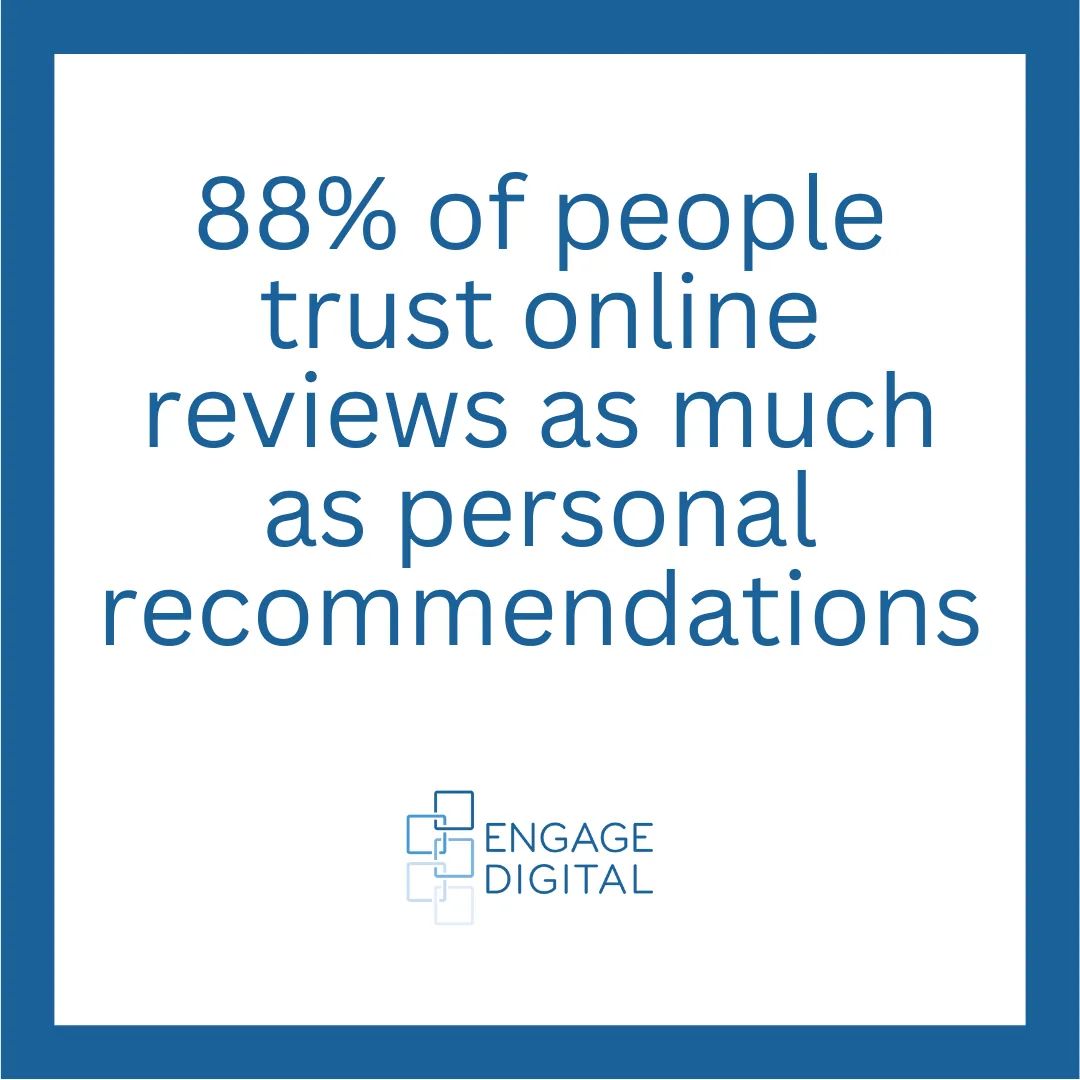 Negative reviews aren’t all bad. They show you honestly where you can improve, and you might not get that insight any other way. They also add credibility to your brand by showing you’re open to feedback. According to BrightLocal,
88% of people trust online reviews as much as personal recommendations, and a mix of good and bad reviews often feels more authentic than a spotless record. Customers are more likely to trust a business that openly acknowledges and addresses flaws than one that appears too perfect.
Ignoring negative feedback, though, can backfire and harm your reputation. Responding thoughtfully shows accountability, demonstrates that you’re listening, and lets your customers know you genuinely care about their experience. When managed correctly, these reviews can serve as catalysts for improvement and opportunities to build lasting trust.
Why Negative Reviews Are Marketing Gold
Think of reviews as conversations. Responding to negative ones shows you’re listening; customers notice and appreciate the effort. ReviewTrackers says 53% of people expect businesses to reply to negative reviews within a week, highlighting the importance of timely engagement. A well-crafted, thoughtful reply can mend fences with an unhappy customer and demonstrate your business’s values and dedication to exceptional service.
Instead of seeing complaints as problems or setbacks, view them as an opportunity to connect, showcase accountability, and strengthen your customer relationship. By addressing concerns openly and effectively, you demonstrate your commitment to excellent service, earning trust from both current and potential customers. This approach resolves the issue and shows your brand is approachable and focused on customers.
Step 1: Respond Quickly and Respectfully
Don’t leave an unhappy customer hanging or feeling ignored. Quick responses show you take their concerns seriously and are committed to resolving their issues promptly.
Tips for Responding Like a Pro:
- Acknowledge the issue and say sorry if needed
- Take 100% ownership of any issues – do not blame the customer
- Stay professional, but add a personal touch.
- Use the customer’s name to make it feel personal.
Example:
“Hi [Name], we’re truly sorry for your experience. Thank you for bringing this to our attention. We’d like to make it right by [insert solution]. Once again, we apologize for the inconvenience and hope we have the opportunity to regain your trust.”
A fast, respectful reply can calm a frustrated customer and boost your reputation.
Step 2: Move Complex Issues Offline
Not every complaint needs to play out in public. If the issue is complicated, take it offline.
How to Do It Right:
- Share your contact info and encourage the customer to reach out.
- Keep the tone friendly and solution-focused.
Example:
“Please email us at [email] or call [number]. We’d love to resolve this for you.”
After resolving the issue privately, ask the customer to update their review to reflect the resolution. This adds credibility to your response.
Step 3: Be Transparent in Your Replies
No business is perfect, and that’s okay. Responding publicly to negative reviews shows transparency and builds trust.
How to Frame Your Response:
- Admit the mistake if it’s valid.
- Explain how you’re fixing the issue.
Example:
“Thank you for your feedback. We’ve identified the issue and are making changes to ensure this doesn’t happen again.”
Transparency shows customers you’re honest and committed to improvement. It also reassures potential clients that your business values accountability.
Step 4: Fix Patterns, Not Just Problems
If you keep hearing the same complaints, it’s time to dig deeper. Negative reviews are a goldmine of insights for improving your business.
Steps to Address Recurring Issues:
- Look for common themes in reviews.
- Fix the root cause of the issue.
- Share what you’ve improved with your customers.
Example:
“We’ve listened to your feedback and changed our scheduling process to reduce wait times.”
This proactive approach shows you care about customer satisfaction and are constantly improving.
Step 5: Share Your Success Stories
A resolved complaint is good customer service and good marketing material. Highlight how you turned a challenging situation into a win.
Ideas for Sharing Success Stories:
- Post testimonials on your website or social media.
- Create blog posts that share how you fixed customer pain points.
- Use before-and-after examples in newsletters or ads.
*Note: Make sure your review postings are FTC-compliant (the FTC’s rules on endorsements and fake reviews)*
Handling complaints well helps you keep customers coming back. Sharing these wins can inspire confidence in your brand.
Step 6: Ask Happy Customers for Reviews
A flood of positive reviews can balance out the negative ones. If you ask, happy customers are often more than willing to share their experience.
How to Get More Positive Reviews:
- Send follow-up emails with a review link after purchases.
- Check each platform’s rules before you offer any incentive, like a discount or loyalty points. Google, for one, doesn’t allow incentives for reviews.
- Make it easy with QR codes or clickable links.
Statistic: Companies with 50+ reviews earn 4.6% more revenue than those with fewer (Womply). A strong mix of reviews builds trust and drives business.
Step 7: Train Your Team for Review Success
Your team plays a huge role in managing reviews. Proper training ensures they handle feedback professionally and consistently.
What to Cover in Training:
- Teach staff to stay calm and empathetic, no matter the tone of the review.
- Use templates for common issues to save time while keeping responses personalized.
- Focus on resolving issues rather than debating who’s right.
A well-prepared team can turn a harsh review into a decisive brand win.
Step 8: Watch Competitors and Learn From Their Mistakes
Your competitors’ reviews are full of insights. Look at how they respond to complaints and see what you can do better.
Questions to Ask:
- Are they responding quickly?
- How do they resolve issues?
- What can you do to stand out?
Competitor analysis helps you refine your strategy and avoid common pitfalls.
Step 9: Use Social Media to Show You Care
Social media is a powerful tool for managing your reputation. Address complaints publicly to show responsiveness, but move deeper conversations to private messages when needed.
How to Use Social Media:
- Monitor mentions and tags to catch complaints early.
- Respond promptly to show customers you’re listening.
- Highlight resolved complaints to build trust.
Your social media audience will see your commitment to customer care, which can boost loyalty.
Turning Complaints Into Wins: A Real Example
Take a page from Zappos, known for its excellent customer service and customer-first mindset. A customer once received mismatched shoes and shared their frustration online. In response, Zappos replaced the shoes, included a handwritten apology, and offered a discount for future orders. This thoughtful approach left a lasting impression, and the customer shared their positive experience widely, turning a negative review into glowing praise and a powerful testimonial for the brand.
This example highlights how proactive, empathetic responses can win over even the harshest critics, transforming complaints into opportunities to build loyalty and enhance your reputation. It’s proof that how you handle a mistake can matter even more than the mistake itself.
Turning Negatives Into Positives
Negative reviews don’t have to spell disaster for your business. When handled correctly, they can become valuable opportunities to showcase transparency, highlight your commitment to improvement, and even create loyal customers who appreciate your efforts. Every negative review allows you to demonstrate your brand’s responsiveness and dedication to resolving issues effectively.
You can mitigate potential damage and build stronger customer relationships by responding promptly, addressing concerns transparently, and turning resolved complaints into positive marketing opportunities. When approached with care, these challenges can become powerful tools for driving growth and reinforcing trust in your brand.
Frequently Asked Questions
How Should I Respond to a Negative Review?
Quickly and respectfully. Acknowledge the issue, apologize if needed, and offer to fix it.
Should I Handle Complaints Publicly?
Respond publicly, then move complex issues offline.
Can Negative Reviews Help My Business?
Yes. They show where to improve and give you a public chance to show great service.